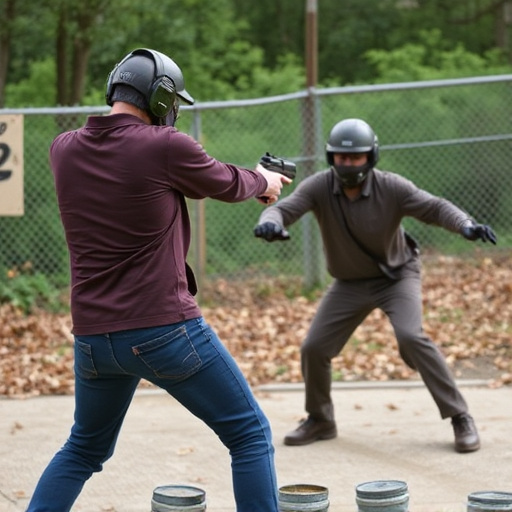
Compact stun guns with flashlights have emerged as a popular personal defense choice due to their portability and versatility. While they offer enhanced safety during low-light conditions, law enforcement faces challenges in detecting them due to their small size and advanced features like GPS and laser sights. This technology presents both benefits for officer capabilities and concerns about misuse. Researchers are exploring improved detection methods using thermal imaging, specialized sensors, and AI algorithms to counteract the evolving designs of compact stun guns with flashlights, aiming to ensure effective threat identification in various settings.
In an era where personal safety is paramount, compact stun guns with integrated flashlights have gained popularity due to their discreetness and versatility. However, concerns surrounding their detection persist, challenging current technological capabilities. This article delves into the rise of these concealed devices, explores the detection hurdles, examines their impact on law enforcement and individual safety, and investigates advanced detection methods. We also consider potential solutions and the future outlook for concealed stun gun detection.
- The Rise of Compact Stun Guns with Flashlight: A Popular Choice
- Detection Challenges: Why Current Technologies Face Hurdles
- Impact on Law Enforcement and Personal Safety
- Exploring Advanced Detection Methods: Prospects and Limitations
- Potential Solutions and Future Outlook for Concealed Stun Gun Detection
The Rise of Compact Stun Guns with Flashlight: A Popular Choice
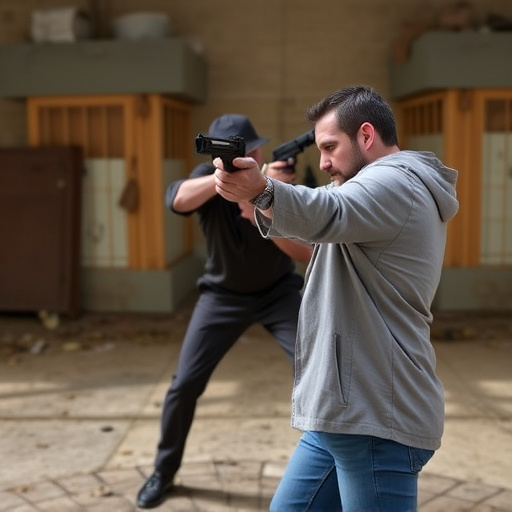
In recent years, a new trend has emerged in personal defense devices—the rise of compact stun guns equipped with flashlights. This innovative design combines two essential tools into one portable device, making it a popular choice for individuals seeking effective self-defense options. The compact size allows users to easily carry the stun gun in their pockets or purses, providing peace of mind and quick access during unexpected situations.
The integration of a flashlight enhances functionality, enabling users to see in low-light conditions, which is particularly useful in dark alleys, parking lots, or while walking home late at night. This dual feature offers users versatility, ensuring they are prepared for various scenarios. With their growing popularity, compact stun guns with flashlights have become a go-to option for personal safety, combining power and convenience in one sleek package.
Detection Challenges: Why Current Technologies Face Hurdles
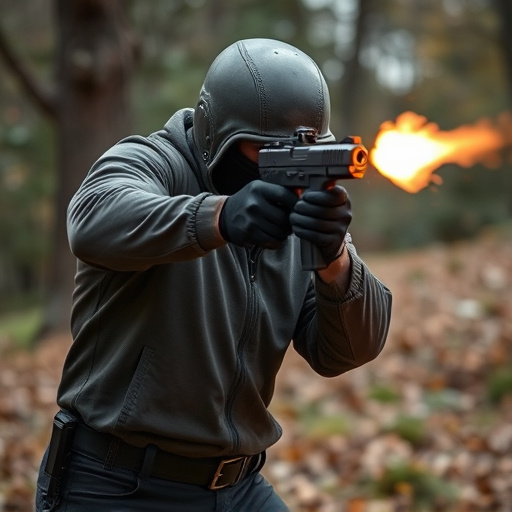
Despite advancements in technology, detecting compact stun guns with flashlights poses significant challenges for law enforcement and security personnel. These devices are designed to be small, lightweight, and often concealable—features that make them difficult to identify during routine checks or in high-pressure situations. Current metal detectors, while effective against traditional weapons, struggle to pick up on the unique electromagnetic signatures of stun guns, especially those with non-metallic components or integrated flashlights.
Furthermore, many stun guns are now equipped with advanced features like GPS tracking and laser sights, making them even harder to detect. These additional functionalities can mask their true nature as weapons, leading to potential safety risks during interactions with individuals who might be carrying such devices without permission or knowledge of the law. The ongoing need for efficient and reliable detection methods highlights the necessity for innovative solutions tailored specifically to counter the evolving tactics employed by weapon manufacturers.
Impact on Law Enforcement and Personal Safety
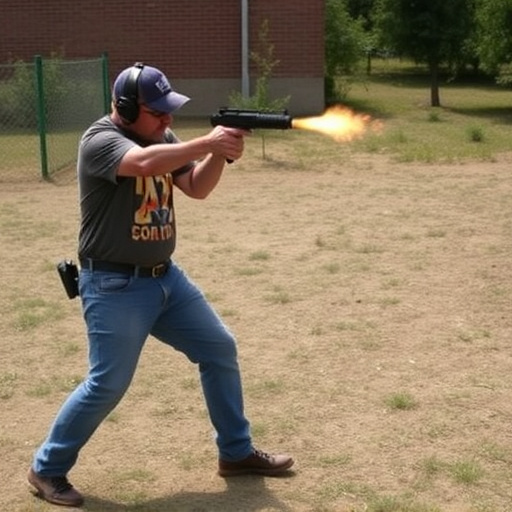
The introduction of concealed stun gun detection technologies raises significant questions about their impact on law enforcement and personal safety. With compact stun guns that double as flashlights, officers can now carry a versatile tool for self-defense and crowd control in low-light or dark conditions. This enhances their situational awareness and ability to de-escalate potentially dangerous situations.
However, critics argue that these devices could lead to over-policing and increased tension during routine encounters. The ease of use and accessibility of stun guns may also raise concerns about personal safety for citizens, as they might be used unnecessarily or inappropriately. Balancing the benefits of enhanced officer protection and crowd control with the potential for misuse remains a critical challenge in the ongoing debate over concealed stun gun detection.
Exploring Advanced Detection Methods: Prospects and Limitations
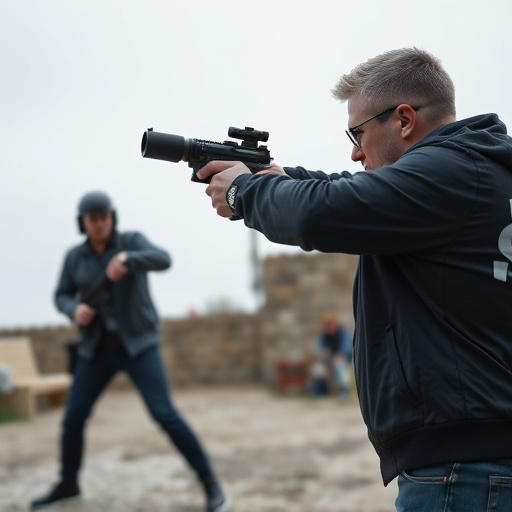
In the ongoing quest for effective concealed weapon detection, researchers and developers are constantly exploring innovative methods to stay ahead in the arms race against hidden threats. One area of particular interest is the advancement of stun gun detection technology, specifically focusing on compact stun guns with integrated flashlights. These sophisticated devices aim to mitigate the challenges associated with traditional metal detectors and visual inspections by leveraging advanced sensor technologies.
Prospects for improvement include employing thermal imaging cameras that can detect heat signatures characteristic of stun guns, as well as utilizing advanced materials and design principles to create portable sensors capable of identifying unique electromagnetic signatures. However, limitations exist; compact stun guns with flashlights often incorporate countermeasures like Faraday cages or signal jamming, rendering traditional detection methods less effective. Additionally, the diverse range of stun gun designs and their continuous evolution pose ongoing challenges, demanding constant refinement of detection algorithms and sensor capabilities to keep pace with these advancements in concealable weaponry.
Potential Solutions and Future Outlook for Concealed Stun Gun Detection
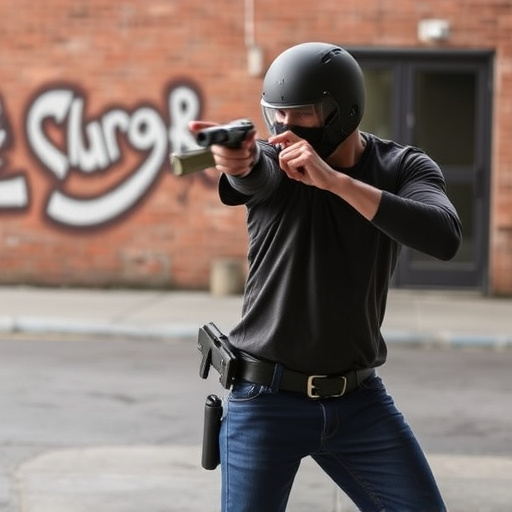
Potential solutions to enhance concealed stun gun detection include technological advancements in material science and sensor technology. Researchers are exploring new materials that can better detect metal objects, including compact stun guns equipped with flashlights. These materials, when incorporated into clothing or accessories, could provide more accurate scanning capabilities for security personnel.
Looking ahead, the future outlook for concealed stun gun detection is promising. Integrating artificial intelligence (AI) algorithms and machine learning into detection systems can significantly improve their effectiveness. AI-powered sensors could analyze data from multiple sources, such as metal detectors and thermal imaging, to identify potential threats more accurately. Additionally, the development of portable, lightweight scanners that seamlessly integrate with law enforcement gear could revolutionize security measures in public spaces, schools, and workplaces.
As the popularity of compact stun guns with flashlights continues to rise, addressing their concealed detection becomes increasingly vital. Current technologies face significant challenges due to the devices’ small size and varying activation modes. This article has explored the impact on personal safety and law enforcement, as well as potential solutions, highlighting the need for advanced detection methods. Moving forward, exploring innovative techniques that balance effectiveness, privacy, and technological feasibility will be crucial in ensuring public safety without infringing upon individual rights.